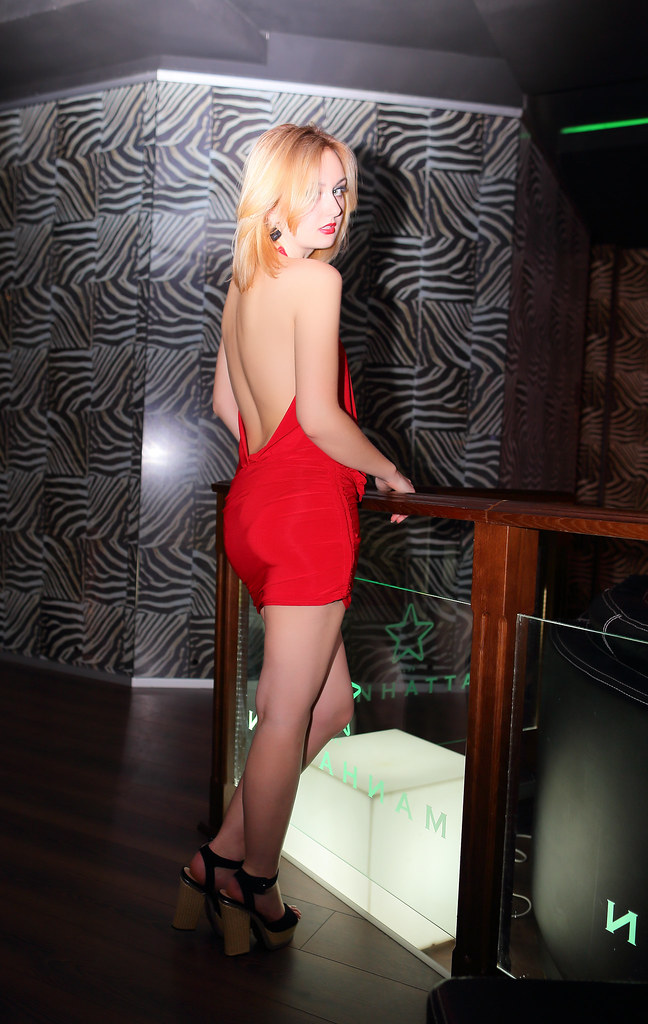
Embracing Authenticity: The Evolution of Model Representation in 2026
Introduction
As we navigate through 2026, the modeling industry continues to witness profound transformations, particularly in how models are represented and perceived. The push for authenticity and representation has become paramount, reshaping the landscape of fashion, advertising, and digital platforms. This article explores how models are reclaiming their narratives, the significance of representation, and the implications for brands and audiences alike.
The Shift Towards Authenticity
In recent years, a notable shift has occurred within the modeling industry, moving away from unrealistic beauty standards towards a celebration of diversity, individuality, and authenticity. This transformation is fueled by a growing demand for genuine representation across various demographics.
1. The Rise of Inclusive Campaigns
Brands are increasingly recognizing the importance of inclusive marketing campaigns. By featuring models of different shapes, sizes, ethnicities, and backgrounds, they are appealing to a broader audience and fostering a sense of community.
2. Social Media’s Role
Platforms like Instagram, TikTok, and Snapchat have played a crucial role in empowering models to showcase their true selves. Many influencers and models are using these platforms to share personal stories, advocating for body positivity and challenging conventional beauty norms.
The Impact of Representation
Representation matters immensely, not just for the models but also for consumers. When brands choose to represent diverse models, they send a message that everyone is valuable and included.
1. Changing Consumer Perception
Consumers today are more informed and conscientious about the brands they support. They are gravitating towards companies that promote diversity and authenticity. This shift is evident in purchasing behaviors, with studies showing that consumers are more likely to buy from brands that represent their values.
2. Influencing Young Aspirations
For young individuals aspiring to become models, seeing diverse representations in fashion and media can positively impact their self-esteem and aspirations. Models who reflect a variety of backgrounds help break down stereotypes and encourage the next generation to embrace their unique identities.
Modeling Beyond the Traditional Pathways
The pathway to becoming a model has also evolved, moving beyond traditional routes like agencies and runway shows. With the accessible nature of digital platforms, aspiring models can create their own opportunities.
1. The Power of Personal Branding
Models in 2026 are focusing on building their personal brands. A strong online presence allows them to connect directly with brands and fans, reducing reliance on traditional modeling agencies. Social media platforms serve as both a portfolio and a marketing tool. Also read: wak89 for more insights.
2. Collaboration Over Competition
There’s a growing trend of collaboration among models. Rather than competing for the same spots, models are now working together on projects, campaigns, and events. This change fosters a supportive community that uplifts and empowers one another.
Challenges in the Shift Towards Authenticity
While the movement towards authenticity and representation is commendable, it is not without challenges.
1. Tokenism vs. Genuine Representation
One of the significant issues faced is tokenism, where brands may include one diverse model to appear inclusive without making substantial changes. Authentic representation demands consistency and commitment from brands, ensuring that diverse voices are heard and valued.
2. Mental Health and Pressure
With increased visibility, models may face new pressures regarding their appearance and performance. It’s vital for the industry to prioritize mental health resources and create a supportive environment that champions well-being alongside representation.
Future Trends in Model Representation
As we look ahead, several trends are likely to shape the future of model representation in 2026 and beyond.
1. Virtual Modeling
The emergence of virtual and augmented reality is set to transform how models present themselves and interact with audiences. Virtual models or avatars can offer limitless possibilities for representation, allowing for even more creative expression.
2. Sustainable Practices
The demand for sustainability isn’t limited to fashion; it extends to how models are represented. Brands are increasingly looking at sustainable practices in their campaigns, ensuring that their representations align with eco-conscious values.
Conclusion
2026 marks a pivotal year in the modeling industry, where authenticity and representation reign supreme. As models take charge of their narratives and brands begin to reflect the diverse world we live in, the industry is on a promising path toward a more inclusive future. By embracing authenticity, both models and brands can create a vibrant, dynamic, and empowering community that resonates with audiences worldwide.


You May Also Like
Navigating the Emerging Roles in Modeling: Insights for 2026

The Digital Transformation of Modeling: Adapting to a Virtual Future in 2026