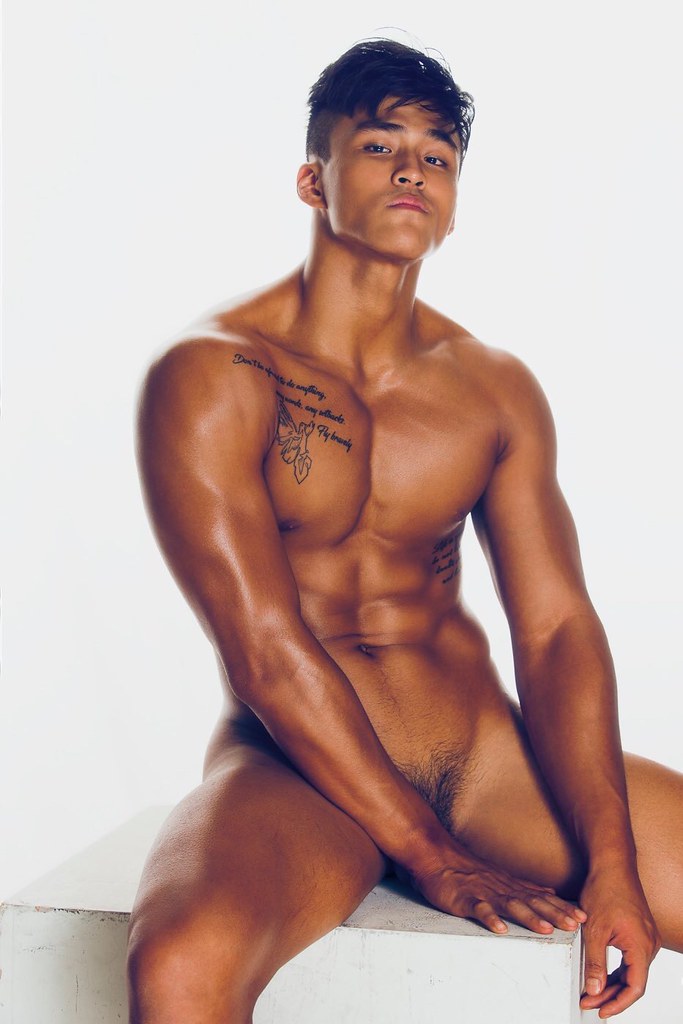
Embracing Cultural Influences: The Impact of Global Trends on Modeling in 2026
Introduction
As we step into 2026, the modeling industry continues to reflect the dynamic nature of global culture. With shifts in societal values, technological advancements, and changing consumer preferences, models must navigate a landscape that is increasingly influenced by diverse cultural factors. This article explores how these global trends are reshaping the modeling profession and what aspiring models can learn from them.
The Rise of Global Fashion Influences
The modeling industry has always been influenced by cultural trends, but in 2026, we see a more pronounced impact of global fashion influences. As fashion weeks around the world become more interconnected, models are no longer confined to the style aesthetics of their home countries. Instead, they embody a fusion of styles that reflect a more globalized marketplace.
1. Breaking Cultural Barriers
Fashion is no longer a one-size-fits-all approach. As models from different cultural backgrounds share their unique perspectives, the industry has seen an influx of styles that merge various traditions.
- Streetwear Meets Haute Couture: Models are showcasing a blend of haute couture and streetwear, appealing to a broader audience.
- Traditional Attire in Modern Contexts: Designers are increasingly incorporating traditional fabrics and designs into contemporary collections, creating a rich tapestry of culture on the runway.
2. The Influence of Social Movements
Social movements around the world have also left their mark on the modeling industry. Issues such as body positivity, gender identity, and environmental sustainability are now at the forefront of fashion considerations.
- Body Positivity: Models of all shapes, sizes, and backgrounds are gaining visibility, promoting a healthier standard of beauty.
- Sustainability Awareness: The rise of eco-consciousness has led to models advocating for sustainable practices, influencing both designers and consumers.
The Role of Social Media in Cultural Exchange
Social media platforms have become powerful tools for cultural exchange, allowing models to connect with audiences worldwide. This connectivity fosters a deeper understanding of cultural nuances and trends.
1. Content Creation and Authentic Representation
In the age of social media, models are not just faces on the runway; they are content creators who share their journeys, influences, and cultural backgrounds with followers. Also read: WAK89 for more insights.
- Storytelling: Models use platforms like Instagram and TikTok to share their stories, bringing attention to cultural influences that shape their work.
- Authentic Engagement: Followers are drawn to models who authentically represent their backgrounds and experiences, leading to an enriched understanding of diverse cultures.
2. Trends That Transcend Geography
Viral trends have the power to transcend geographic boundaries, shaping style preferences around the globe. Models must stay attuned to these trends to remain relevant and appealing.
- Challenges and Duets: Social media challenges and collaborative performances are popular among models, showcasing different cultural influences.
- Cultural Influencers: Models collaborate with influencers from various backgrounds, further bridging the gap between fashion and cultural expression.
The Future of Modeling: A Cultural Mosaic
As we look towards the future, the modeling industry is set to embrace a cultural mosaic that reflects the diverse world we live in. For aspiring models, understanding and embracing cultural influences can be a valuable asset.
1. Cultural Sensitivity and Awareness
Models must cultivate cultural sensitivity and awareness to effectively navigate this landscape. This includes understanding the significance of cultural symbols and the context behind them.
- Educating Oneself: Models should take the initiative to learn about different cultures, avoiding appropriation while honoring their beauty.
- Advocating for Diversity: Being an advocate for diversity within the fashion industry can help pave the way for a more inclusive future.
2. Adapting to Global Market Trends
Models should also be aware of emerging markets and trends that may influence their careers. This adaptability will allow them to seize new opportunities.
- Emerging Markets: Regions like Africa and Asia are becoming significant players in the fashion industry, offering new opportunities for models.
- Trend Forecasting: Staying updated on global trends can help models align their personal brand with consumer expectations.
Conclusion
The modeling industry in 2026 is a vibrant tapestry woven from global cultural influences. Aspiring models who embrace this mosaic and cultivate cultural awareness will find themselves at the forefront of a dynamic and exciting industry. By adapting to changing trends and promoting diversity, they can not only advance their careers but also contribute to a more inclusive and representative fashion landscape.
