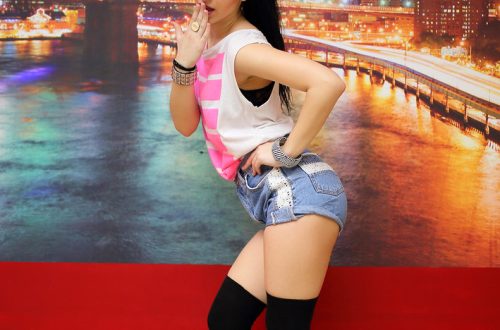
Breaking Stereotypes: The New Era of Inclusivity in Modeling
Introduction
The modeling industry has undergone significant transformations in recent years, particularly in embracing inclusivity and diversity. As we navigate through 2026, this shift is not only reshaping the types of models seen on runways and in campaigns but also challenging societal norms about beauty and representation.
The Journey Towards Inclusivity
Historically, modeling has often been criticized for its narrow definitions of beauty. However, recent years have witnessed a powerful movement towards greater inclusivity in the industry, paving the way for models of different sizes, ethnicities, and backgrounds.
Historical Context
In the past, models primarily fit a specific mold dictated by fashion houses and advertisers. However, the conversation around body positivity and diversifying representation has gained momentum, largely due to societal shifts and the rise of social media platforms that have allowed more voices to be heard.
Steps Toward Change
- Increased Visibility: Brands are hiring models who reflect a broad range of identities.
- Collaborative Platforms: Initiatives focusing on inclusion have emerged, allowing models from underrepresented backgrounds to gain exposure.
- Consumer Demand: Shoppers are increasingly seeking authentic representation in advertising, pushing brands to rethink their casting choices.
New Standards in Modeling
As 2026 unfolds, the standards for modeling have expanded. Inclusivity is not just a trend but a necessity, leading brands to re-examine their campaigns.
Inclusive Sizing
A significant advancement in the industry is the move towards inclusive sizing. No longer confined to traditional size ranges, many brands are beginning to recognize the demand for models who represent a wider spectrum of body types.
Cultural Representation
Another key aspect is cultural representation. Models from various ethnic backgrounds are not only visible but are often seen leading campaigns and defining new trends. This representation helps to break stereotypes and fosters a more authentic connection between consumers and brands.
The Role of Social Media in Promoting Inclusivity
Social media continues to play a vital role in the evolution of the modeling industry. Platforms like Instagram and TikTok have become powerful tools for models to showcase their work and engage directly with audiences.
Influencers and Micro-Influencers
Many models are also influencers, using their platforms to challenge conventional beauty standards while promoting inclusivity. Micro-influencers, in particular, are impactful as they often connect with niche audiences by sharing personal stories and experiences.
Hashtags and Movements
- #BodyPositivity: This movement has sparked conversations around body image and acceptance.
- #DiversityInFashion: Many campaigns and discussions have arisen promoting diversity on runways and in ad campaigns.
- #RepresentationMatters: This hashtag emphasizes the importance of seeing oneself represented in media.
Challenges Ahead
Despite the progress, challenges remain. Some fashion segments continue to lag behind in adopting inclusive practices.
The Fear of Backlash
Brands worry about backlash from audiences who may not understand or accept the shifts in representation. Balancing tradition and change is delicate; however, the need for inclusivity is becoming increasingly evident.
Tokenism vs. Genuine Inclusion
As brands strive to present diverse images, the risk of tokenism arises. It is vital that brands move beyond simply including diverse models in campaigns for appearances and actively engage with diverse communities.
Looking Ahead: The Future of Modeling
What does the future hold for the modeling industry? Continued emphasis on inclusivity is expected to pave the way for more profound cultural shifts.
Engaging with Communities
Brands that engage with diverse communities in meaningful ways will likely resonate better with consumers. Collaboration with local artists, designers, and influencers can promote a more genuine representation of culture.
Breaking Down Barriers
Inclusivity is not just about race or size; it extends to gender identity, age, and ability. As these conversations evolve, the industry must continue breaking down barriers that exclude individuals from participating in modeling.
Conclusion
The modeling industry is at a crossroads, and the choices made in 2026 will set the foundation for future generations. By embracing diversity and moving towards inclusion rather than mere representation, the industry can cultivate a more accepting and authentic environment for models and consumers alike.


You May Also Like
Embracing Cultural Influences: The Impact of Global Trends on Modeling in 2026